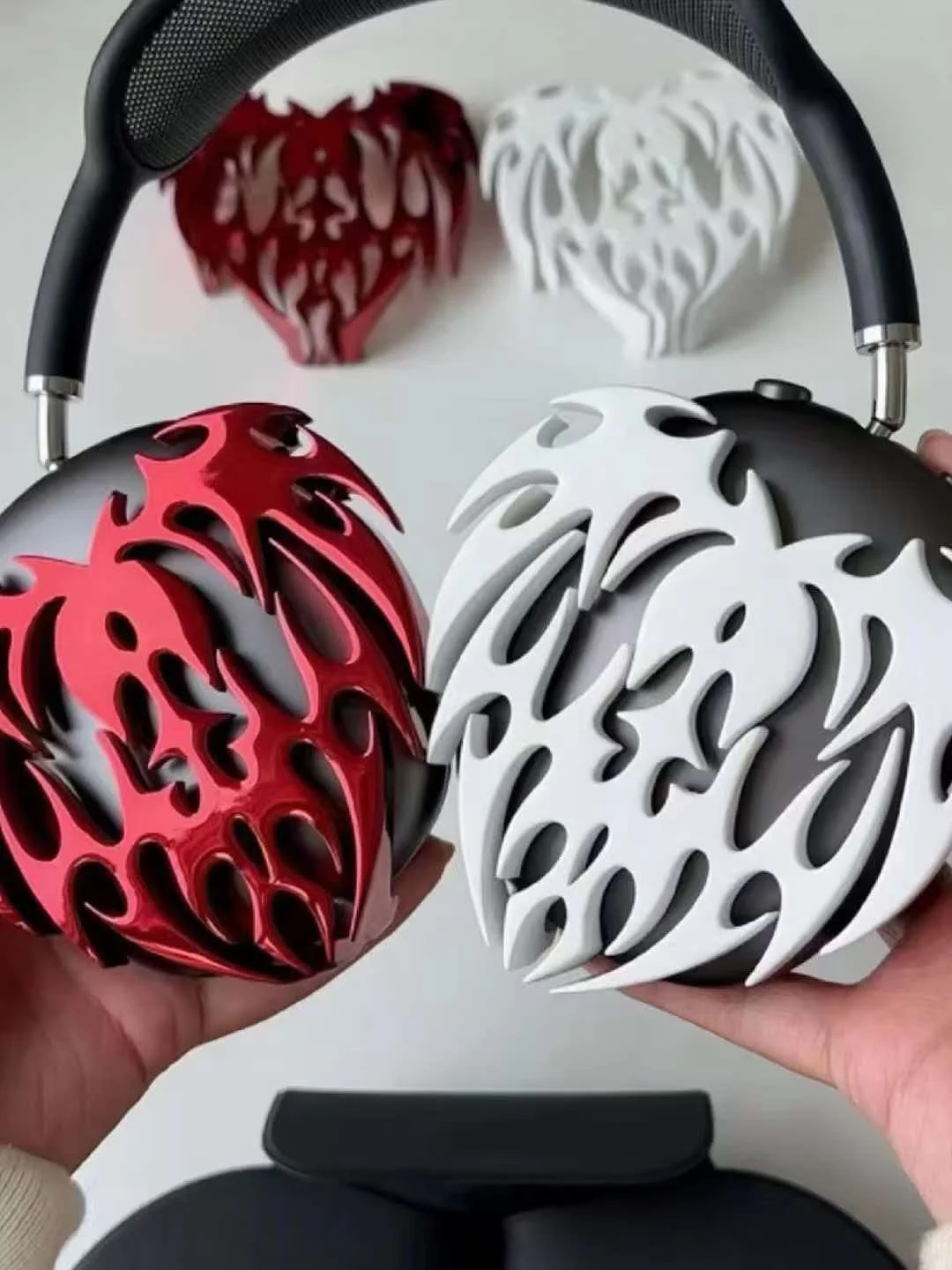
Vacuum casting bridges prototyping and mass production by delivering 20–100+ polyurethane parts from a single silicone mold, with production-grade finishes and no hard tooling. Jinghui 3D integrates vacuum casting with 3D printing, precision mold making, and materials R&D, enabling procurement teams
For low-volume production programs in consumer electronics, automotive, and robotics, vacuum casting delivers functional, production-representative parts without the time and capital expense of steel injection molds. A single silicone mold replicates 20–100+ polyurethane parts with painted or plated finishes, making it a strategic choice for bridge production and market validation.
Why Vacuum Casting Fits Low-Volume Production Strategies
Vacuum casting uses a silicone mold to produce polyurethane parts from a master pattern, typically created by 3D printing. Unlike injection molding, which requires hardened steel tooling that can take weeks and significant capital investment, silicone molds can be produced in days at a fraction of the cost. Jinghui 3D offers vacuum casting services that replicate 20–100+ polyurethane parts from a single silicone mold, with finishes that include painting and plating. This capability supports low-volume production runs where design changes are still frequent or where annual volumes do not justify full production tooling.
Production Efficiency Gains: Speed, Cost, and Quality
Procurement teams evaluating low-volume production methods must weigh three factors: tooling cost, lead time, and part quality. The table below compares representative industry parameters for vacuum casting, 3D printing, and injection molding. These values are typical ranges and should be validated for specific projects.
| Method | Typical Quantity Range | Tooling Cost | Lead Time for First Parts | Material Options | Surface Finish |
|---|---|---|---|---|---|
| Vacuum Casting | 20–100+ parts per silicone mold | Low (silicone mold) | 5–10 business days | Polyurethane resins simulating ABS, PP, PC, rubber | Production-grade, paintable/platable |
| 3D Printing (SLA/SLS/FDM) | 1–50 parts (no mold) | None | 1–3 business days | Resin, nylon, engineering plastics | Layer lines may require post-processing |
| Injection Molding | 1,000+ parts | High (steel or aluminum tool) | 4–8 weeks | Wide range of thermoplastics | Excellent, as-molded |
For quantities between 20 and 100+ units, vacuum casting provides a balance of speed, cost, and surface quality that neither 3D printing nor injection molding alone can offer.
Application Scenarios: Consumer Electronics, Automotive, Robotics
Vacuum casting is widely used across industries that demand short-run production of functional parts. In consumer electronics, enclosures, buttons, and wearable components can be produced with tight tolerances and cosmetic finishes. Automotive programs often require interior trim pieces, sensor housings, and brackets for testing or pilot builds. Robotics applications include gripper fingers, protective covers, and customized mounts where quantities are typically low but geometry and material properties matter. Jinghui 3D supports these scenarios with vacuum casting and related manufacturing services, including 3D printing for master patterns and precision mold making for subsequent production steps.
How Jinghui 3D Delivers a Complete Vacuum Casting Solution
Jinghui 3D provides an integrated low-volume production ecosystem that goes beyond silicone molding. The company offers 3D printing services (SLA, SLS, FDM) to produce master patterns, vacuum casting to replicate polyurethane parts, precision molds and tooling for injection and low-volume production, and in-house materials R&D and additive manufacturing equipment manufacturing. This complete solution allows procurement teams to source multiple manufacturing steps from one provider, reducing coordination overhead and improving quality consistency.
Typical vacuum casting workflow for a new part: 1. Create a master pattern using SLA or SLS 3D printing for high dimensional accuracy. 2. Build a silicone mold around the master pattern, including gates and vents. 3. Mix and degas polyurethane resin, then cast under vacuum to eliminate air bubbles. 4. Cure parts in an oven and remove from the mold. 5. Apply finishing processes such as painting, plating, or texture as required. 6. Inspect dimensions and surface quality before shipment.
Procurement Considerations for Low-Volume Production
When evaluating vacuum casting for a program, procurement managers should confirm part quantities, material requirements, and finishing specifications. Quantities between 20 and 100+ units per silicone mold are most cost-effective; beyond that, bridge tooling or injection molding may become more economical. Jinghui 3D's engineering team can review part geometry and recommend the optimal low-volume production path, drawing on its vacuum casting, mold making, and 3D printing capabilities. For programs that eventually scale to injection molding, the same provider can supply precision molds and tooling, ensuring continuity of quality.
Frequently Asked Questions
What is the typical turnaround time for a vacuum casting project?
Turnaround depends on part complexity, number of parts, and finishing requirements. Generally, a first article can be produced within a few business days after the master pattern and silicone mold are ready. Jinghui 3D provides project-specific timelines after reviewing the CAD model and specifications.
How does vacuum casting compare to 3D printing for low-volume production?
3D printing builds parts directly from digital files, making it ideal for one-offs and highly complex geometries without tooling. Vacuum casting uses a silicone mold to replicate multiple identical polyurethane parts, offering better surface finish, material consistency, and production-representative properties for quantities of 20–100+ units. Jinghui 3D offers both methods, so procurement teams can choose the most efficient route for each stage.
What materials are available for vacuum casting?
Vacuum casting typically uses polyurethane resins that simulate common production plastics such as ABS, PC, PP, and rubber-like materials. Jinghui 3D can apply painted or plated finishes to meet cosmetic requirements. For specific material properties, consult with Jinghui 3D's engineering team to select a resin that matches the intended production material.