Choosing the wrong prototyping process wastes the first two weeks of a development program. Jinghui 3D runs five core processes, SLA, SLS, FDM, CNC and vacuum casting, and the right one is decided by four questions: how many parts, what material, what tolerance, what finish. This guide compares the
Choosing the wrong process wastes the first two weeks of any development program. The good news is that most parts sort themselves quickly once you know the four questions that actually matter: how many, what material, what tolerance, what finish. Jinghui 3D runs five core processes and helps engineering teams pick the one that fits before the first machine starts.
The Five Processes at a Glance
| Process | Typical tolerance | Lead time | Best for |
|---|---|---|---|
| SLA (resin) | +/-0.1 mm | 1-3 days | Appearance parts, housings, master patterns |
| SLS (nylon) | +/-0.2 mm | 2-4 days | Clips, brackets, functional end-use parts |
| FDM | - | 1-3 days | Concept models, quick checks |
| CNC | down to +/-0.05 mm | 3-7 days | Metal parts, high-precision components |
| Vacuum casting | +/-0.2 mm | 5-7 days | 20-100+ pieces with production feel |
SLA for Appearance and Master Patterns
Stereolithography prints fine, smooth resin parts that read as production-grade on a table or in a render. It is the default for enclosures, show models and master patterns that are later used for vacuum casting. Transparent, tough and high-temperature resins cover most appearance needs.
SLS for Functional Nylon Parts
Selective Laser Sintering fuses PA12 or PA11 into strong, slightly textured parts with no support structures, so clips, living hinges and brackets come out ready to assemble. TPU is available for flexible sections. SLS is the workhorse for functional prototypes that have to survive real use.
CNC for Metal and Tight Tolerance
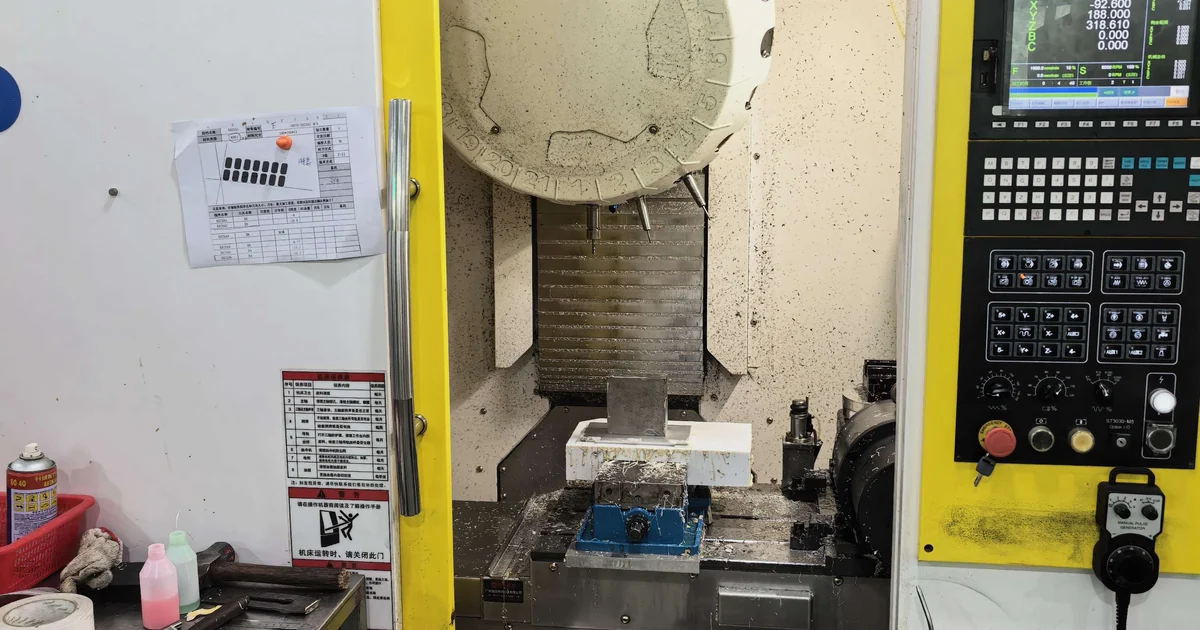
When the part is aluminum or steel, or the drawing calls for +/-0.05 mm, subtractive machining is the answer. 3-axis and 5-axis CNC delivers the surface and strength a production bracket needs, and it is the only route to true metal prototypes without tooling.
Vacuum Casting for Small Batches
For 20 to 100+ pieces that must look and feel injection-molded, silicone-tool casting from a master pattern is the cheapest path. It replicates texture and color at a fraction of tooling cost, which is why it dominates trade-show builds and pre-series runs.
A Practical Selection Shortcut
- 1-5 pieces, fast, resin or nylon -> 3D printing (SLA / SLS / FDM).
- 20-100 pieces, production feel -> vacuum casting.
- Metal, large parts, or +/-0.05 mm -> CNC.
- 100+ pieces with frozen design -> evaluate hard tooling or CNC.
Proof Points
- Five processes run across our 6 in-house production lines, so one partner covers the whole program.
- Tolerances to +/-0.1 mm on SLA and CNC, verified on our own equipment.
- Shenzhen-based manufacturer since 2022, shipping DDP to 30+ countries.
Frequently Asked Questions
Which process is cheapest for 10 pieces?
Vacuum casting usually wins once you pass a handful of pieces and want a production look
Can you hit +/-0.05 mm?
Yes, on CNC machined metal and plastic parts
What file do I send?
STEP or IGES preferred; STL works for printing
Do you advise on process?
Yes, every order gets a DFM review and a process recommendation
How fast is a first article?
24-72 hours for printing, a few days for CNC and casting
Get a Quote
Send your file and quantities to zhongmq@clayportglobal.com or call +86 136 5133 7168. We will recommend the process, not just quote the one you named.
About Jinghui 3D
Jinghui 3D (Shenzhen Jinghui Shouban Technology Co., Ltd.) is a Shenzhen-based original manufacturer of rapid prototypes and low-volume production parts, operating since 2022 with six in-house production lines, tolerances to +/-0.1 mm and DDP shipping to 30+ countries. Learn more at jinghui3d.com.