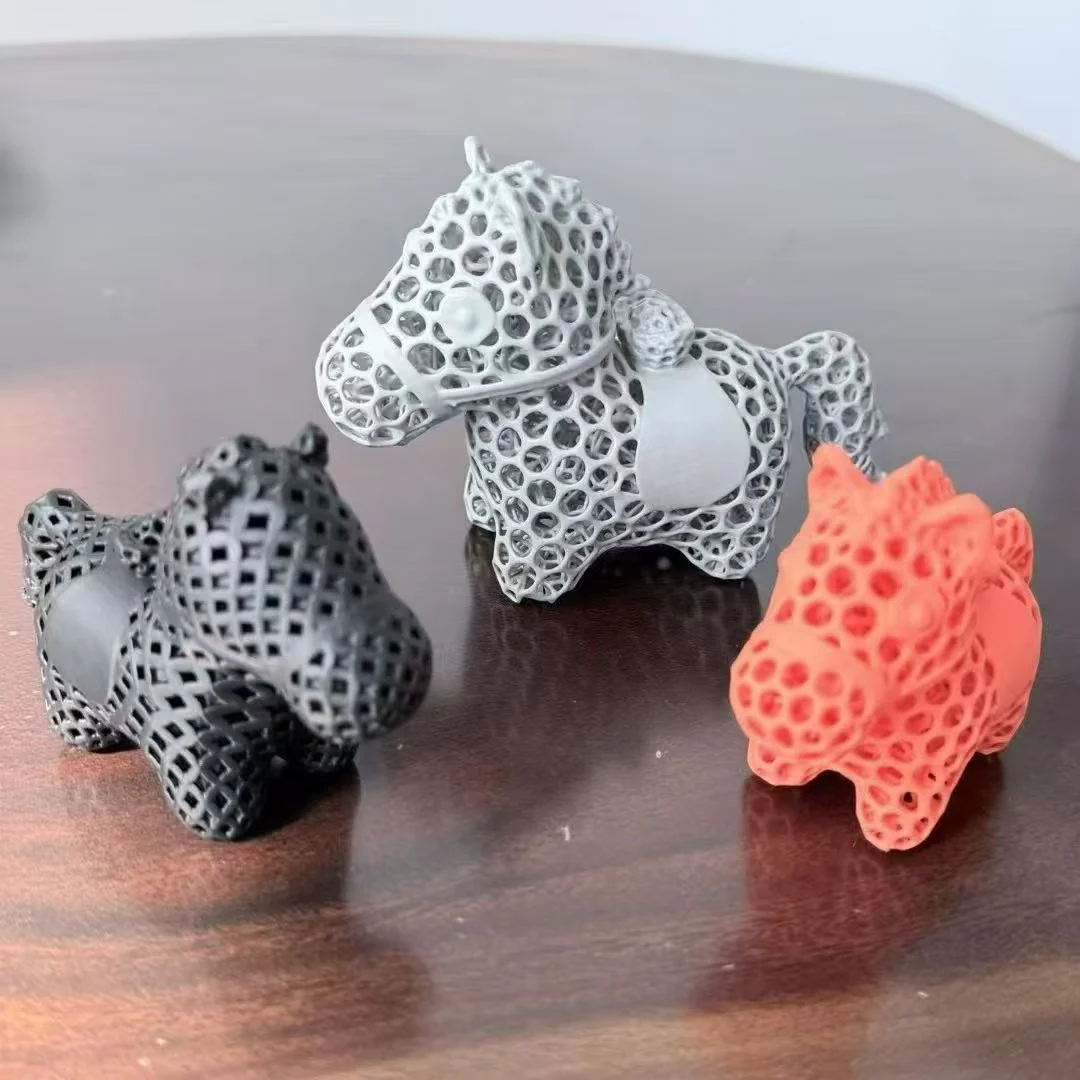
Unaddressed manufacturability gaps in early design often lead to cost overruns, delayed delivery and poor part quality for enterprise 3D product procurement. Structured DFM and design optimization resolve these issues to deliver consistent, predictable results.
Many enterprise 3D product development and manufacturing projects fail to hit cost and quality targets due to unaddressed manufacturability gaps early in the design phase.
Design for Manufacturing (DFM) integrates specific manufacturing constraints into the early design stage to reduce avoidable production risks, cut unnecessary costs, and improve overall part quality for 3D printing and low-volume projects.
Jinghui 3D combines end-to-end 3D printing, mold making, and custom manufacturing capabilities with structured DFM analysis to deliver reliable, production-ready parts for enterprise clients.
Core User Problems in 3D Product Manufacturing
As an enterprise purchasing leader responsible for sourcing 3D printed or low-volume manufactured parts, you likely face recurring, costly pain points. Designs that look viable on paper often cannot be produced as specified, requiring unexpected rounds of rework that push back delivery timelines. Unplanned cost overruns from material waste, tooling adjustments, or failed production runs eat into project budgets. Inconsistent part quality also leads to rejected batches that disrupt your product launch or supply chain. Nearly all of these issues stem from skipping DFM analysis early in the design cycle, when adjustments can be made at the lowest possible cost.
How DFM Solves Common Manufacturability Challenges
DFM aligns design choices with the capabilities and constraints of your selected manufacturing process, eliminating potential issues before production starts. For 3D printing, DFM-driven design optimization addresses unique process-specific requirements that generic design practices often overlook, including overhang support needs, layer adhesion limits, post-processing tolerances, and material performance constraints. The table below compares project outcomes for designs with and without early DFM integration:
| Project Factor | Design Without Early DFM | Design With Early DFM |
|---|---|---|
| Design rework rounds | Typically 2+ unplanned rounds | 0-1 rounds of targeted adjustment |
| Lead time reliability | Often delayed 10-20% from target | Consistently meets approved timelines |
| Budget compliance | Frequently exceeds approved budget | Stays within pre-agreed cost ranges |
This comparison confirms that integrating DFM early in the design process significantly reduces project risk for enterprise 3D product procurement.
Structured DFM Workflow for 3D Printing Projects
A consistent, structured DFM process ensures no critical manufacturability requirement is overlooked. The standard workflow for 3D printing projects includes: 1. Initial design file review: Assess manufacturability against the selected 3D printing process and material specifications 2. Constraint mapping: Identify gaps between current design and production requirements, including wall thickness, tolerances, overhang angles, and assembly fit 3. Targeted design optimization: Propose adjustments that resolve manufacturability gaps while preserving the part's intended function and performance 4. Final manufacturability validation: Confirm the revised design meets all production and end-use requirements before full production launch
DFM-Enabled End-to-End Manufacturing from Jinghui 3D
Jinghui 3D delivers fully integrated DFM analysis alongside a full suite of manufacturing services to support projects from prototyping through low-volume production. We offer SLA, SLS, and FDM 3D printing services for functional prototypes and end-use parts across a range of engineering materials. For teams needing 20 to 100+ production-grade polyurethane parts, we provide high-quality vacuum casting from silicone molds. We also specialize in precision mold making and tooling for injection molding and low-volume production of plastic and rubber components. To support specialized project requirements, we maintain in-house new-material and manufacturing-process development capabilities. Our engineering team integrates DFM analysis at every stage of your project to ensure your parts are producible, cost-effective, and meet all your performance requirements.
Frequently Asked Questions
-
Can I request DFM analysis before I finalize my product design? Answer: Yes, we recommend engaging DFM analysis as early as the conceptual design stage, when adjustments are fastest and lowest cost.
-
Does DFM work for both prototyping and full low-volume production? Answer: Yes, DFM principles are adaptable to all project stages, from functional prototyping through full low-volume production runs, aligned with your specific quality and cost goals.
-
Does Jinghui 3D support custom material requirements for DFM-optimized projects? Answer: Yes, we offer in-house new material development to meet unique performance requirements for specialized applications.
For enterprise purchasing leaders seeking predictable, high-quality 3D manufactured parts, integrating DFM early in your design process eliminates unnecessary risk and hidden costs. Jinghui 3D’s combination of in-house manufacturing capabilities, material R&D, and structured DFM analysis delivers consistent, production-ready results for every project. Contact our team today to share your design file and get an initial DFM assessment.