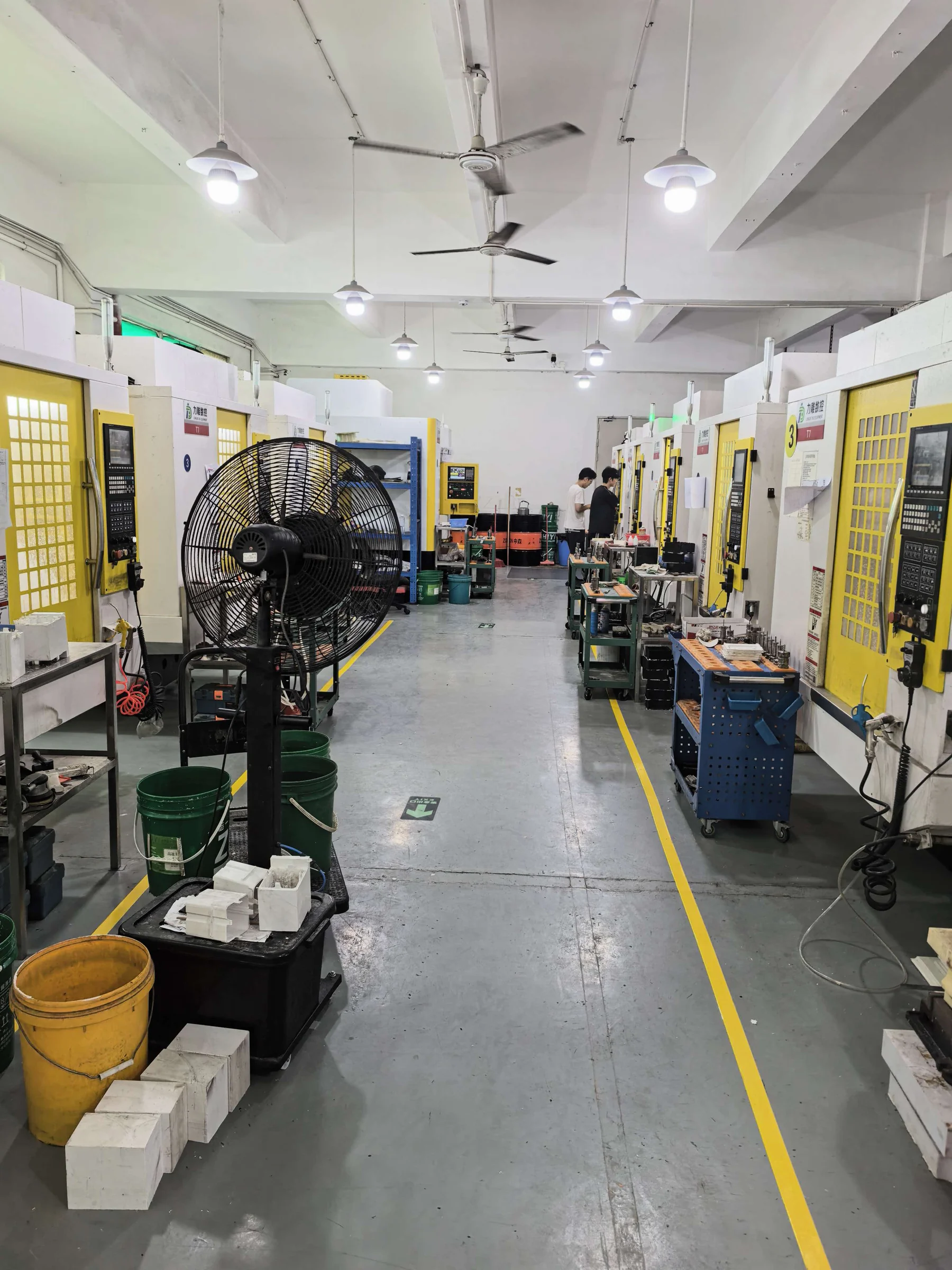
In-house finishing processes such as electroplating, painting, and assembly can improve the appearance, durability, and functional readiness of 3D-printed parts. Jinghui 3D integrates additive manufacturing and value-added finishing to support application requirements and deliver production-ready pa
In-house value-added finishing is the critical missing step that turns raw, layer-marked 3D printed prototypes into fully functional, production-ready parts that meet end-use performance and aesthetic requirements.
In-house finishing processes including electroplating, painting, and assembly improve 3D printed parts by upgrading surface aesthetics, boosting mechanical durability, and enabling full end-use functionality to meet mass market or industrial production requirements.
As a full-service additive manufacturing provider, Jinghui 3D integrates 3D printing, in-house finishing, and downstream manufacturing to deliver consistent, production-ready parts for prototyping and low-volume end-use production across multiple industries.
Core Value of In-House Surface Finishing for 3D Printed Parts
Raw 3D printed parts often come with visible layer lines, inconsistent surface texture, and limited mechanical resistance that make them unsuitable for end-use. Value-added surface finishing addresses three core gaps for production: first, it improves aesthetic consistency to match brand or industry standards, eliminating layer lines and creating uniform, smooth or textured surfaces as required. Second, it boosts durability: processes like electroplating add a protective metallic layer that resists corrosion, scratches, and wear, extending the part's service life. Third, it unlocks full functionality: multi-part assembly turns individual 3D printed components into a complete, working end product, while tailored painting adds UV resistance or chemical protection for outdoor or industrial use.
Common In-House Finishing Options for Production-Ready Parts
Three high-demand finishing processes deliver the most value for most 3D printed part applications: - Electroplating: This process deposits a thin layer of metal (such as nickel, chrome, or copper) onto the surface of a 3D printed part. It is ideal for adding electrical conductivity, corrosion resistance, and a premium metallic aesthetic to functional parts. - Painting: Custom industrial painting can match any Pantone or RAL color code, adding decorative appeal, UV protection, scratch resistance, or chemical resistance. It can be adjusted to deliver matte, satin, or high-gloss finishes to meet application requirements. - Assembly: In-house assembly combines multiple 3D printed or manufactured components into a single finished part, including adding fasteners, integrating electronic components, and fitting moving parts. This eliminates the need for buyers to coordinate secondary assembly work in-house.
Finishing Requirements by Application
Finishing needs vary dramatically based on the end use of the 3D printed part. Below is a breakdown of requirements for three common use cases:
| Application Type | Recommended Finishing Processes | Key Performance Priorities |
|---|---|---|
| Consumer Products | Painting, Assembly, Light Decorative Electroplating | Aesthetic consistency, scratch resistance, ergonomic fit |
| Automotive Components | Functional Electroplating, Precision Painting, Full Assembly | Corrosion resistance, mechanical strength, tight dimensional tolerance |
| Retail & Exhibition Display Pieces | High-Gloss Painting, Decorative Electroplating, Final Assembly | Visual appeal, surface uniformity, long-term structural stability |
This comparison makes clear that there is no one-size-fits-all finishing solution: tailored in-house processes aligned with end-use requirements are required to deliver production-ready parts that meet all specifications.
End-to-End Workflow for Finished Production Parts
A standardized in-house workflow ensures consistent quality across all production batches, as follows: 1. Raw part 3D printing via SLA, SLS, or FDM to match design specifications, using resins, nylons, or engineering plastics as required for the end use. 2. Pre-finishing preparation, including support removal, sanding, and surface cleaning to eliminate layer lines and ensure proper adhesion for finishing. 3. Application of value-added finishing: electroplating, painting, or other surface treatments per project requirements. 4. Precision assembly of multi-component parts, including fitting and testing moving or integrated elements. 5. Final quality inspection and delivery to the client.
For low-volume production runs of 20 to 100+ polyurethane parts, Jinghui 3D combines vacuum casting replication with custom plated or painted finishes to deliver consistent production-grade results. The company also provides precision mold making and tooling for injection molding and larger low-volume production runs of plastic and rubber components, and maintains in-house R&D capabilities for new material development and manufacturing process development.
Frequently Asked Questions
-
Will I need to coordinate with third-party vendors for finishing if I order 3D printed parts from Jinghui 3D?
No. All finishing processes including electroplating, painting, and assembly are completed in-house, so you will not need to coordinate with multiple external suppliers to get your finished production-ready parts. -
Is in-house finishing only suitable for high-volume production runs?
No. In-house finishing works for all batch sizes, from small prototype batches to low-volume end-use production runs, which aligns with the flexible demand of many product development and manufacturing projects. -
What types of materials can Jinghui 3D process into finished production-ready parts?
Jinghui 3D works with a range of standard and engineering materials for 3D printing including resin, nylon, and various engineering plastics, and can also process polyurethane parts via vacuum casting for low-volume projects.
For enterprise procurement leaders seeking reliable, consistent production-ready 3D printed parts, integrating in-house finishing into your 3D printing project eliminates coordination friction and ensures quality from raw print to finished part. Contact Jinghui 3D today to discuss your project requirements and get a customized solution.